The bedroom is the one room in your home that asks something specific of its windows. Light should be controllable. Privacy should be absolute. And the textiles, framing, and finish should feel like an invitation to rest, not a hardware-store afterthought.
The right shade does all of that at once. The wrong shade leaves you with cracks of streetlight at 3 a.m., a slat-shadow pattern on your ceiling, or a fabric color that fights the rest of your room. After years of designing the best window shades for bedrooms of every shape and style, here is how we think about choosing the right one.
Start With How You Sleep
Before you choose a fabric, opacity, or color, ask one question: What kind of sleeper lives in this room?
A light sleeper near a streetlight needs a different shade than a guest-room window that gets afternoon sun twice a week. A nursery has different requirements than a primary suite with a southern exposure and a partner who works night shifts. Get this answer first; everything else follows.
The four broad categories we recommend for bedrooms are roller shades, roman shades, cellular (honeycomb) shades, and woven wood shades. Each has a personality, and each solves a different version of the bedroom problem.
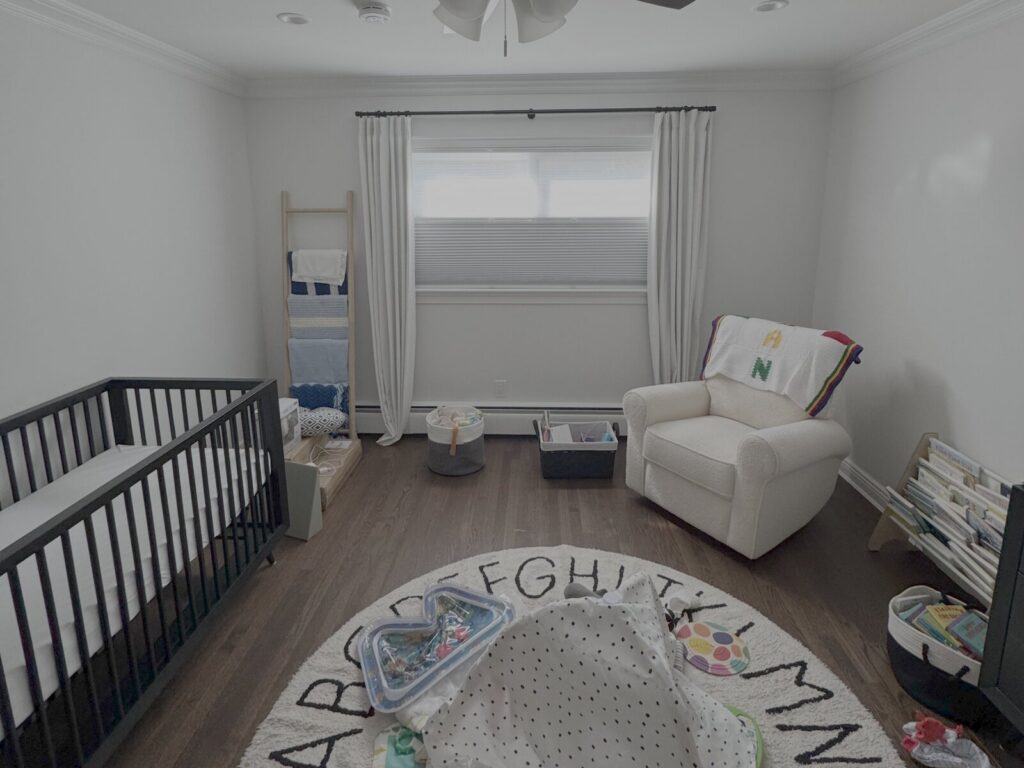
Roller Shades: The Quiet Workhorse
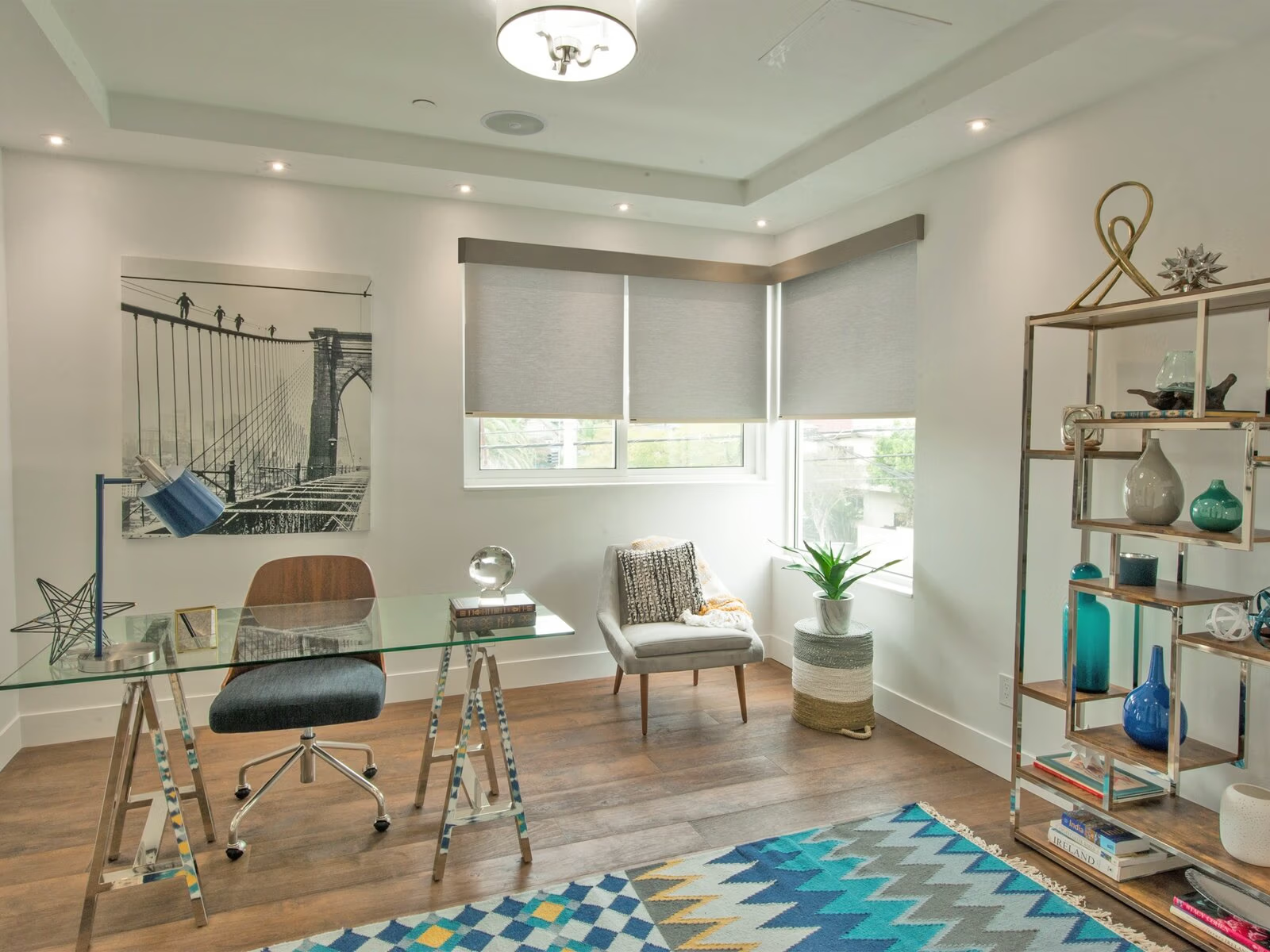
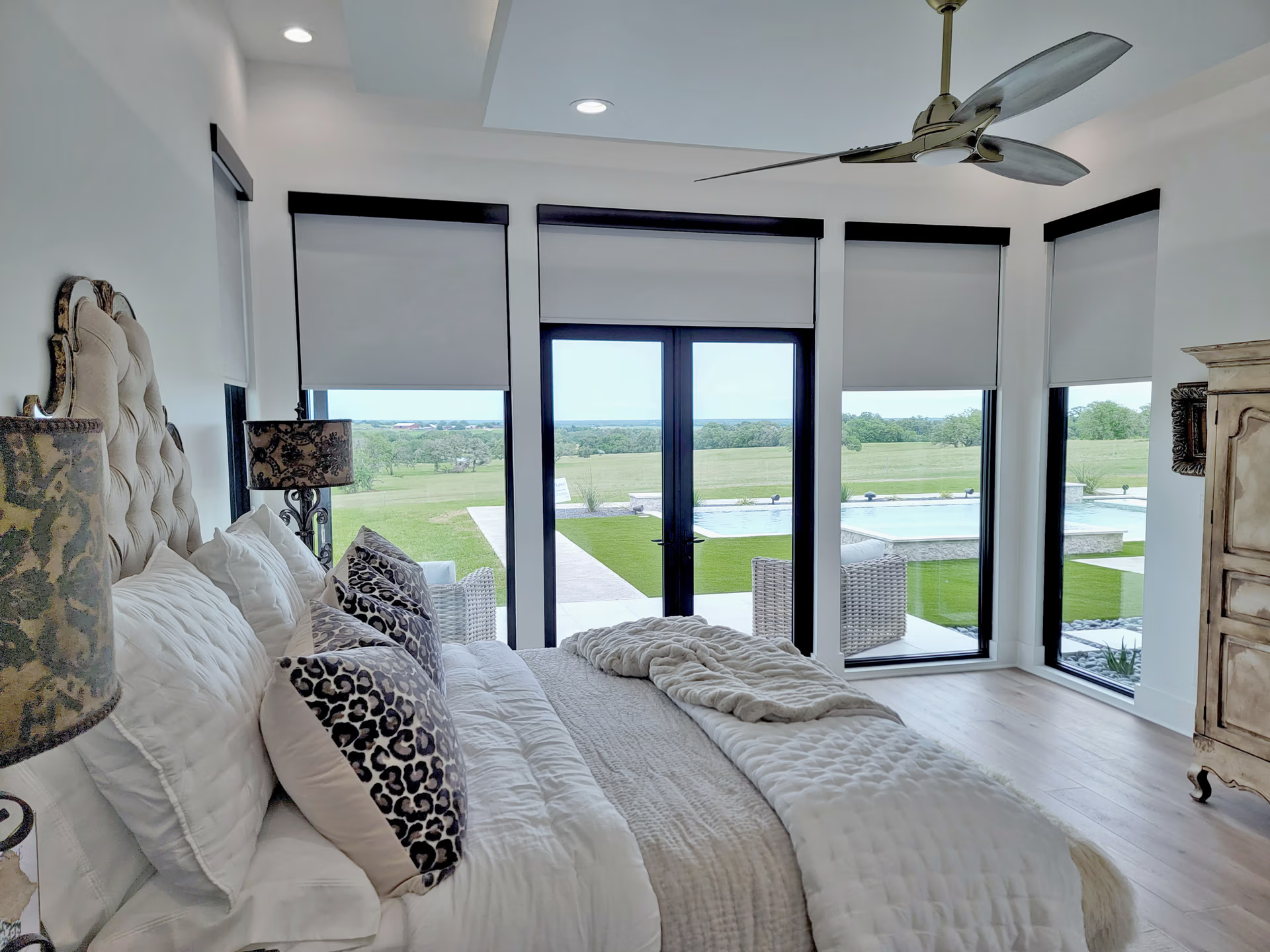
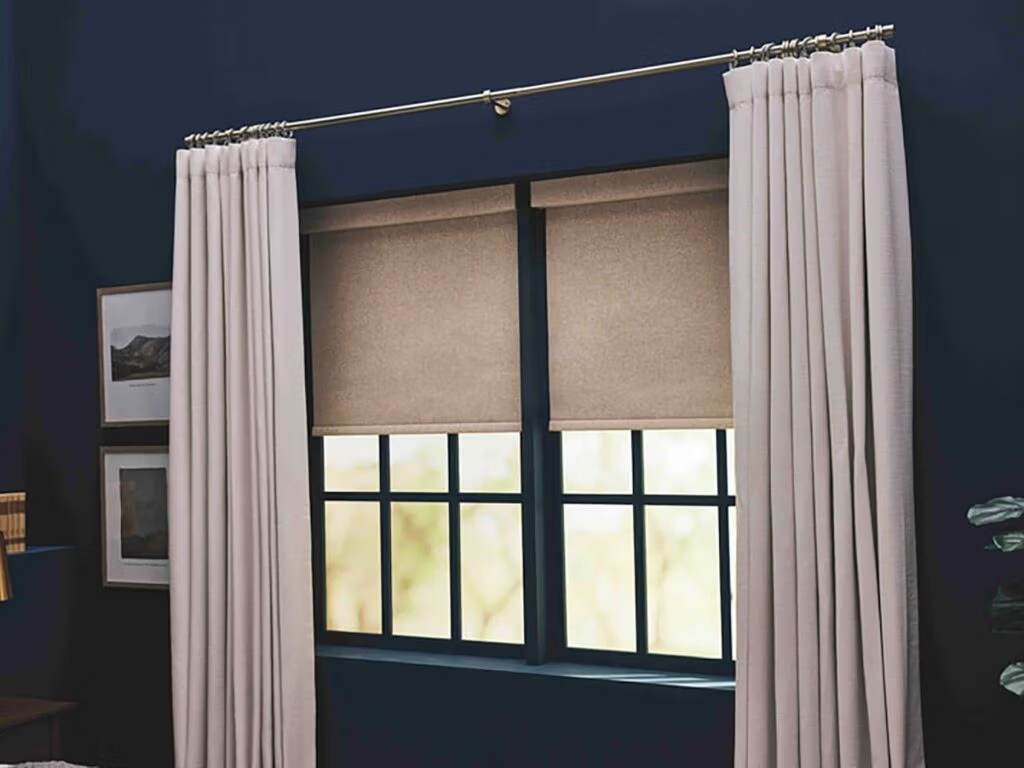
Roller shades are the cleanest, simplest option in the bedroom; a single panel of fabric that disappears into a discreet housing at the top of your window. For modern and transitional bedrooms, they are often the perfect answer.
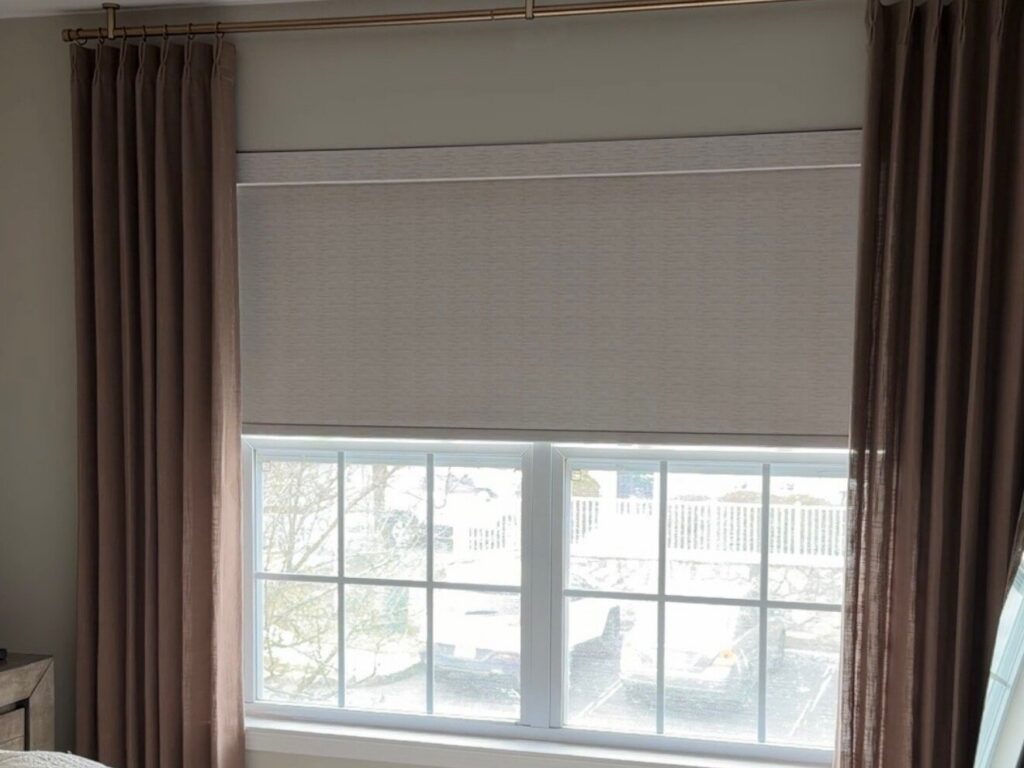
The key is choosing the right opacity. For most bedrooms, we recommend blackout roller shades, which block all incoming light when properly installed with side channels or a generous overlap on the window frame. Light-filtering rollers are a better fit for guest rooms or bedrooms where you want daytime softness and rely on heavier drapery for sleep.
A note on installation: a blackout roller mounted inside the window frame will always leave small light gaps on the sides. If true darkness matters, mount outside the frame, or pair the shade with side channels. This is the single most common mistake we see in bedroom shade selection, and it is easy to get right when you plan for it from the start.
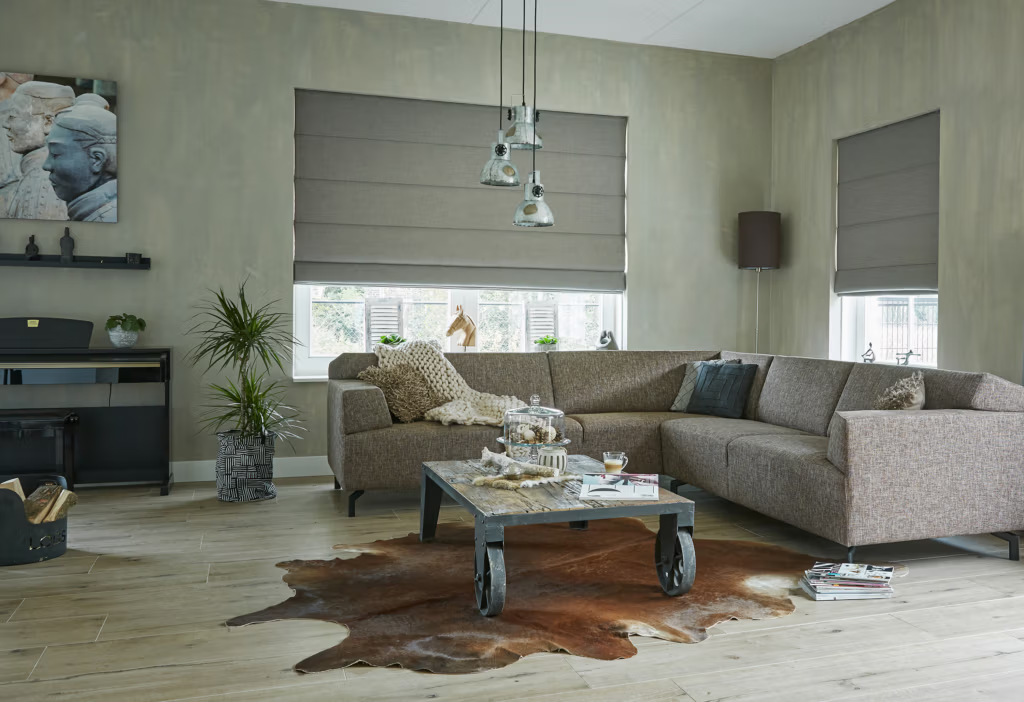
Roman Shades: Softness Without Compromise
Roman shades give you the tailored, textile-forward look of drapery in a more compact footprint. They fold up into soft horizontal pleats when raised and lie flat or gently relaxed when lowered.
For bedrooms, roman shades excel when you want the room to feel layered and finished. They read as fabric rather than as a window mechanism, which makes them ideal in rooms where the bed, headboard, and bedding are already doing significant decorative work. A linen or textured roman shade in a warm neutral does something a hard-edged roller simply cannot.
Roman shades can be ordered with blackout linings, which we strongly recommend for primary bedrooms. The lining is invisible from inside the room but transforms the shade’s performance after dark.
Cellular Shades: The Insulator
Cellular shades, sometimes called honeycomb shades, have a pleated, hexagonal cell structure that traps air between the window and the room. That air pocket is what makes them the most thermally efficient window treatment on the market.
If your bedroom runs cold in winter or hot in summer, or if you have a window that sits directly above your bed, cellular shades earn their keep every night. They are also available in a true blackout configuration, with a continuous track on each side that eliminates light gaps almost entirely.
Aesthetically, cellulars are quieter than romans and softer than rollers. They suit clean, contemporary bedrooms and rooms where comfort and energy performance are the priority.

Woven Wood Shades: Texture and Warmth
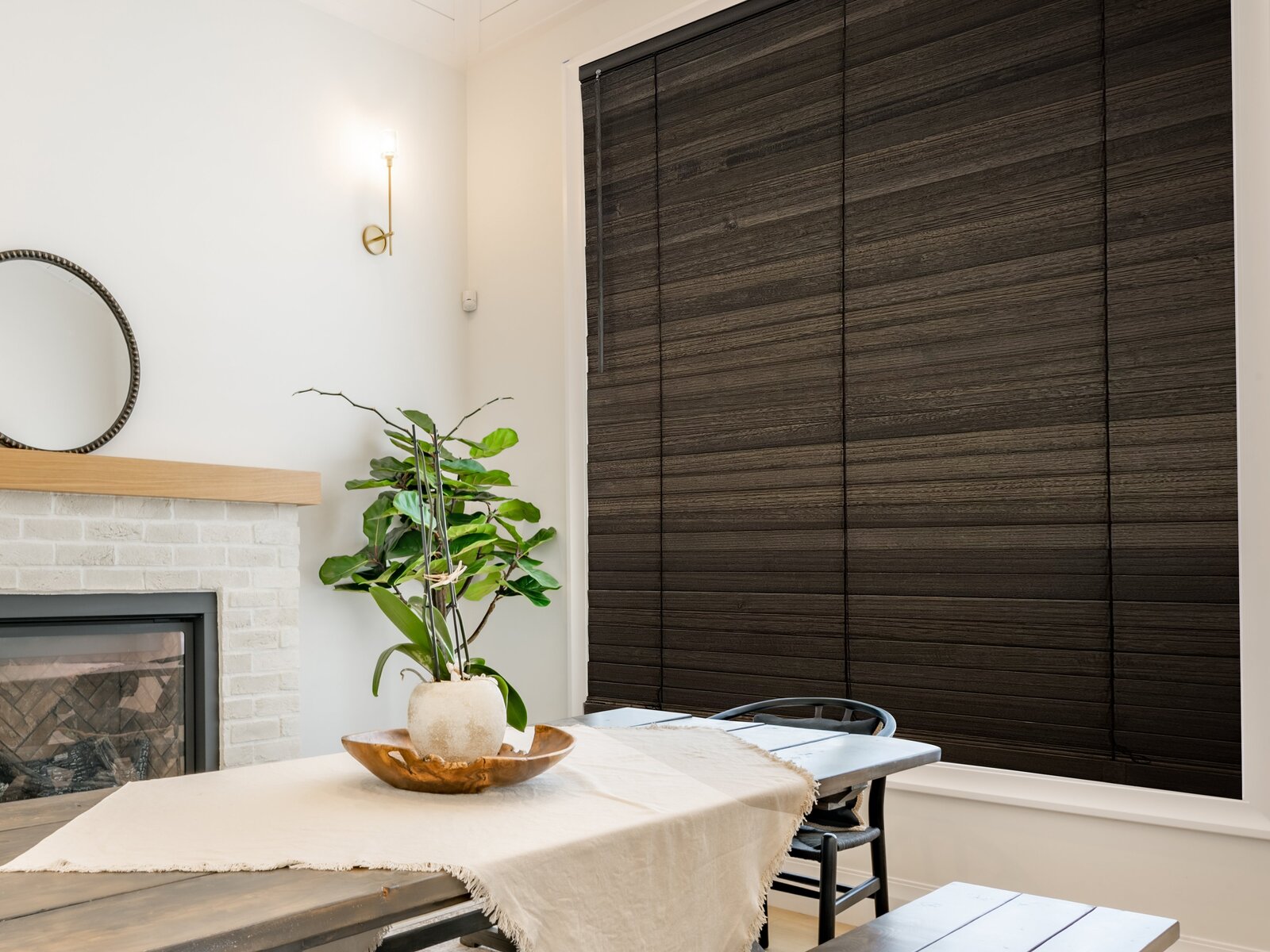
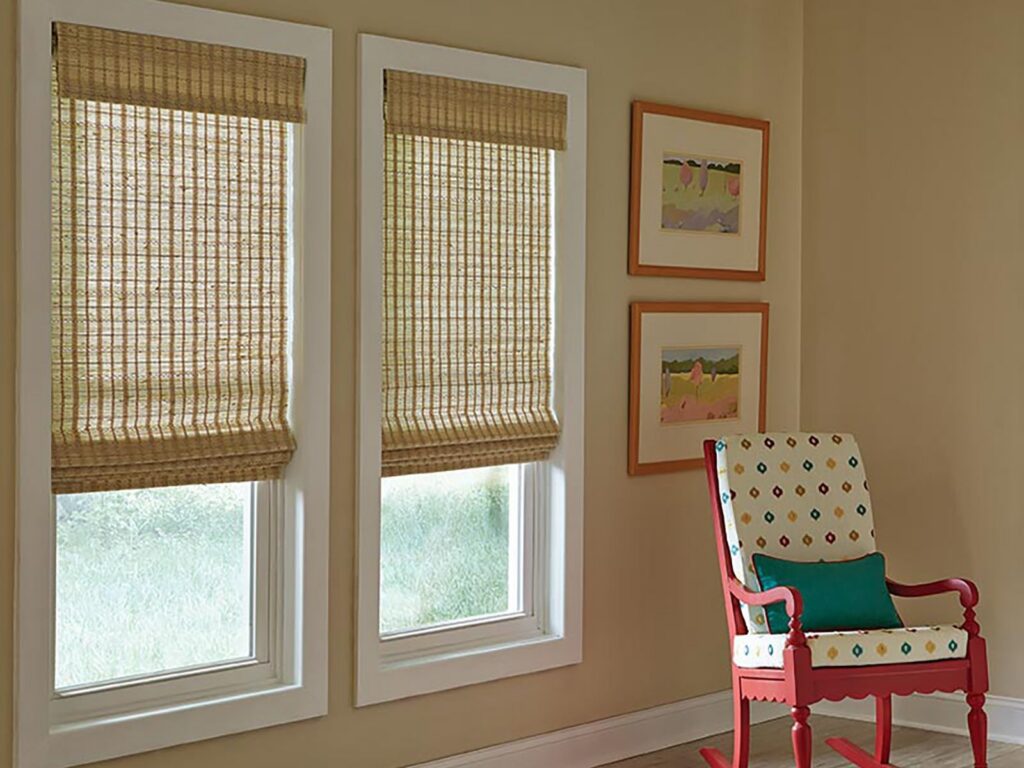
If you want a bedroom that feels organic, calm, and full of texture, woven wood shades are hard to beat. Made from natural reeds, grasses, and bamboo, they cast warm filtered light during the day and bring an immediate sense of softness to the room.
The catch: Woven wood shades on their own are not blackout. Light passes through the weave by design. For bedrooms, we almost always pair them with a blackout liner, either built into the shade as a separate roller behind it or layered with drapery for full darkness. The result is the best of both worlds: a beautiful, textural daytime window and a fully dark room at night.
Layering: The Trick That Solves Almost Everything
The single biggest unlock in bedroom window design is layering. Rather than asking one shade to do every job, pair two treatments, each doing one thing well.
A few combinations we use constantly:
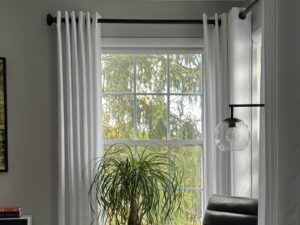
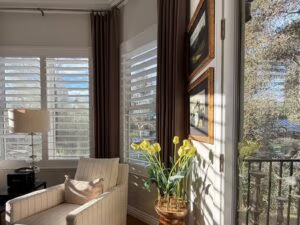
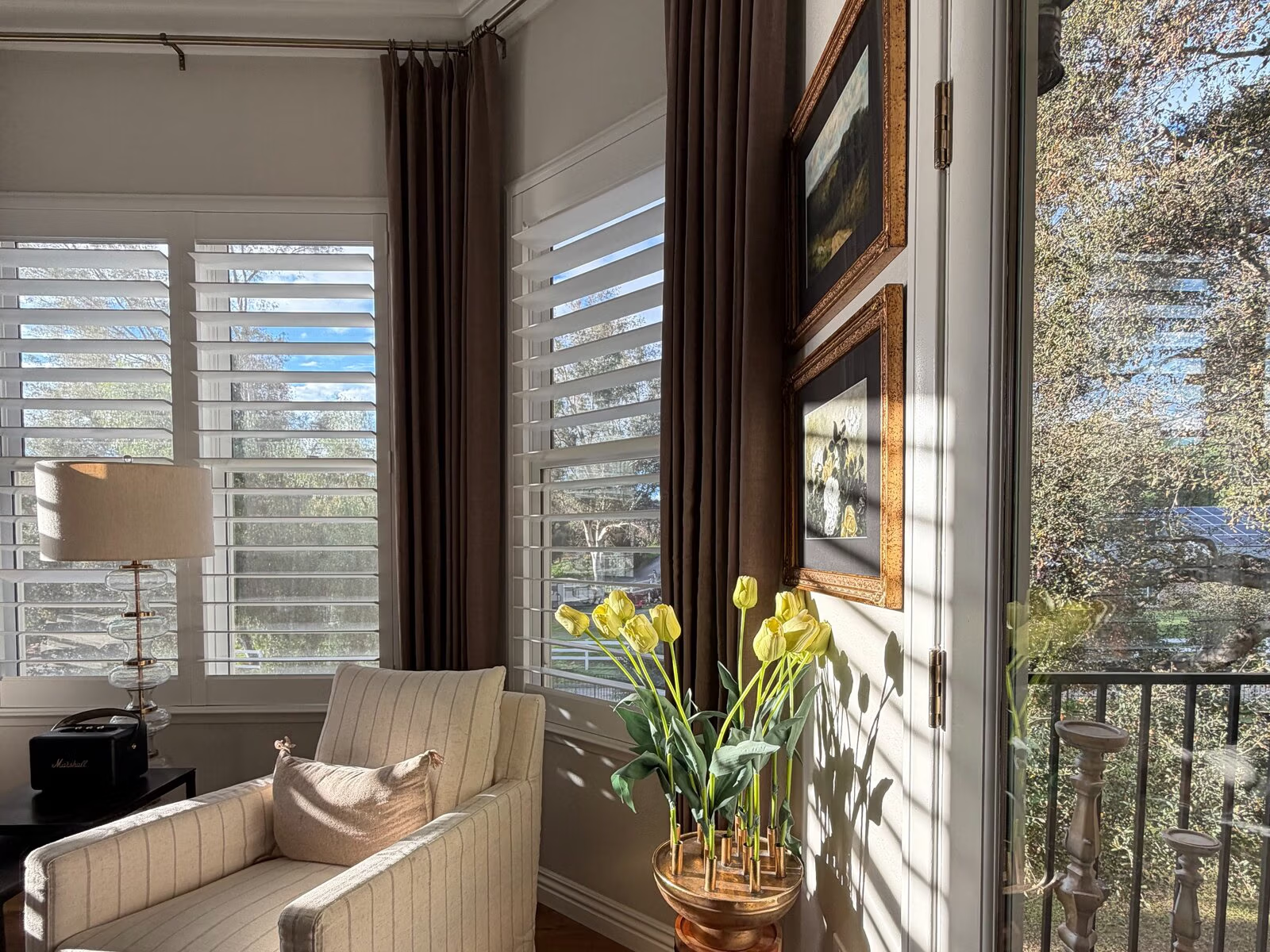
A light-filtering roller or woven wood shade behind floor-to-ceiling drapery panels. The shade handles daytime privacy and softens the light; the drapery handles nighttime darkness and adds height, softness, and acoustic warmth to the room.
A blackout cellular shade behind a decorative linen roman. The cellular does the technical work; the roman provides the visual finish.
Dual-roller shades, with a light-filtering layer and a blackout layer in a single housing. A clean, modern option when drapery is not on the table.
Layering gives you precise control over light at any time of day, and it almost always makes the room feel more considered and complete.
Color, Texture, and the Quiet Bedroom
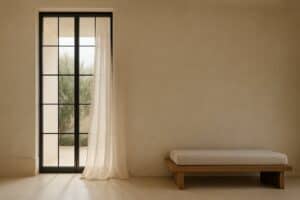
The temptation in a bedroom is to default to white. Resist it. Crisp white shades can read cold and clinical, especially against warm wood floors, linen bedding, or richer wall colors.
For most bedrooms, we recommend warm neutrals—soft creams, oat, mushroom, warm grey, or a tone pulled directly from your bedding or rug. The shade should recede gently into the room, not announce itself.
Texture matters as much as color. A flat, glossy fabric will always feel less restful than a slubby linen, a soft basketweave, or a natural woven material. The bedroom is the room where texture pays the biggest dividend.
A Short Word on Hardware
Lift mechanisms matter more than people expect. Cordless lift systems are now the standard in bedrooms; safer around children and pets, and visually cleaner with no dangling cords to interrupt the line of the window.
Motorization is worth considering for any bedroom shade, and especially for hard-to-reach windows or for couples on different sleep schedules. A motorized blackout shade that lowers automatically at sunset and rises with a soft morning timer changes how the room feels every single day.
How to Decide
If we had to compress everything above into a short decision tree, it would look like this:
Modern, minimal bedroom with a focus on function: blackout roller shades, mounted outside the frame or with side channels.
Layered, textile-forward bedroom: roman shades with blackout lining, or woven woods paired with blackout drapery.
Cold room, hot room, or window directly above the bed: cellular shades in a blackout configuration.
A bedroom where you want one shade to do everything beautifully: a dual-roller with light-filtering and blackout layers in a single housing.
And in almost every case—layer. Drapery over shades remains the most reliable way to make a bedroom feel finished, warm, and genuinely restful.
Measure Twice, Sleep Well
The best bedroom shade in the world will still disappoint if it is mounted half an inch too narrow, or if the blackout fabric stops a quarter-inch shy of the frame. Custom window treatments exist for exactly this reason; every window is slightly different, and every bedroom deserves a treatment built specifically for it.
If you are planning new shades for a bedroom and want help thinking through the right combination for your space, that is what we are here for. Every Ventus consultation starts with a conversation about how you actually live in the room, and ends with treatments measured, made, and installed to perform the way they should from the very first night.