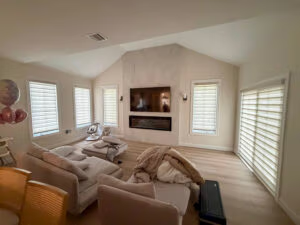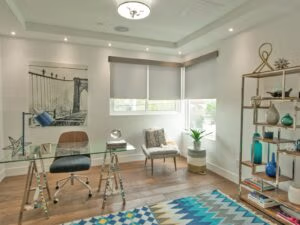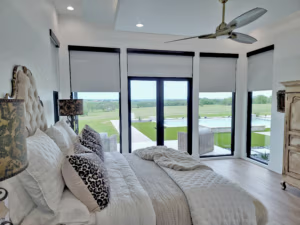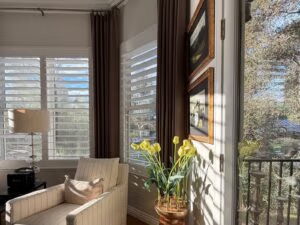
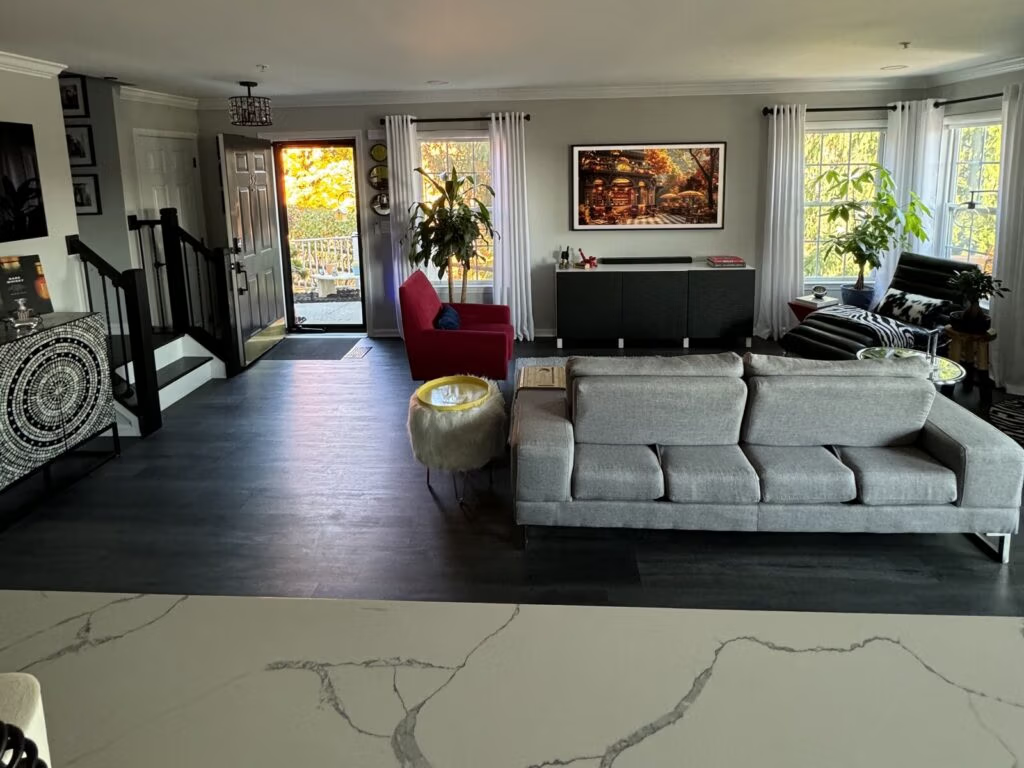
Most living rooms end up with one of three problems: bare windows that feel cold and unfinished, off-the-rack shades that read flat against a thoughtfully decorated room, or drapery hung at the wrong height that quietly makes the entire room feel smaller than it is.
The right window treatment does something different. It softens the architecture, controls the light without controlling the view, and reads as part of the room rather than as something added to the windows. After years of designing living rooms across the tri-state, here is how we think about the choice.
Start With How the Room Is Used
Before you pick a fabric or a style, look at the room honestly. What is this living room actually for?
A formal living room used twice a year for entertaining requires different treatment than a great room where a family lives every evening. A south-facing room with a television and a glare problem needs solar shades or layered drapery; a north-facing room with low natural light needs treatments that can disappear completely when raised. A street-level brownstone parlor has privacy concerns a fourth-floor apartment never thinks about.
The treatment follows the room. Not the other way around.
The four categories we recommend for living rooms are drapery, roller and solar shades, roman shades, and shutters. Each one solves a different version of the living room problem, and the best living rooms usually use more than one.
Drapery: The Foundation of a Finished Room
If there is a single treatment that transforms a living room more than any other, it is full-length drapery. Hung correctly, drapery adds height, softness, and a sense of intention that no shade alone can match.
The rules we hold to:
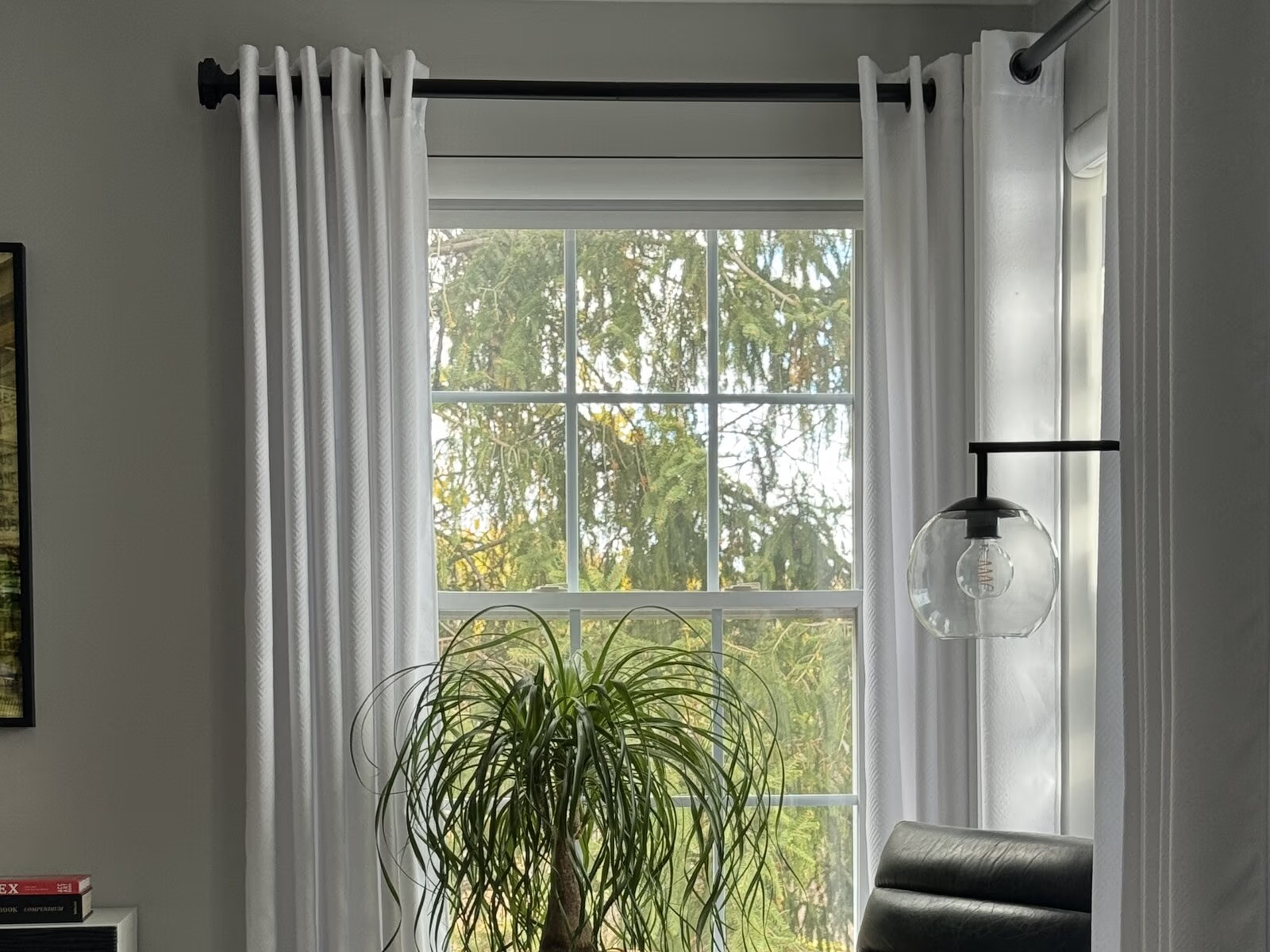
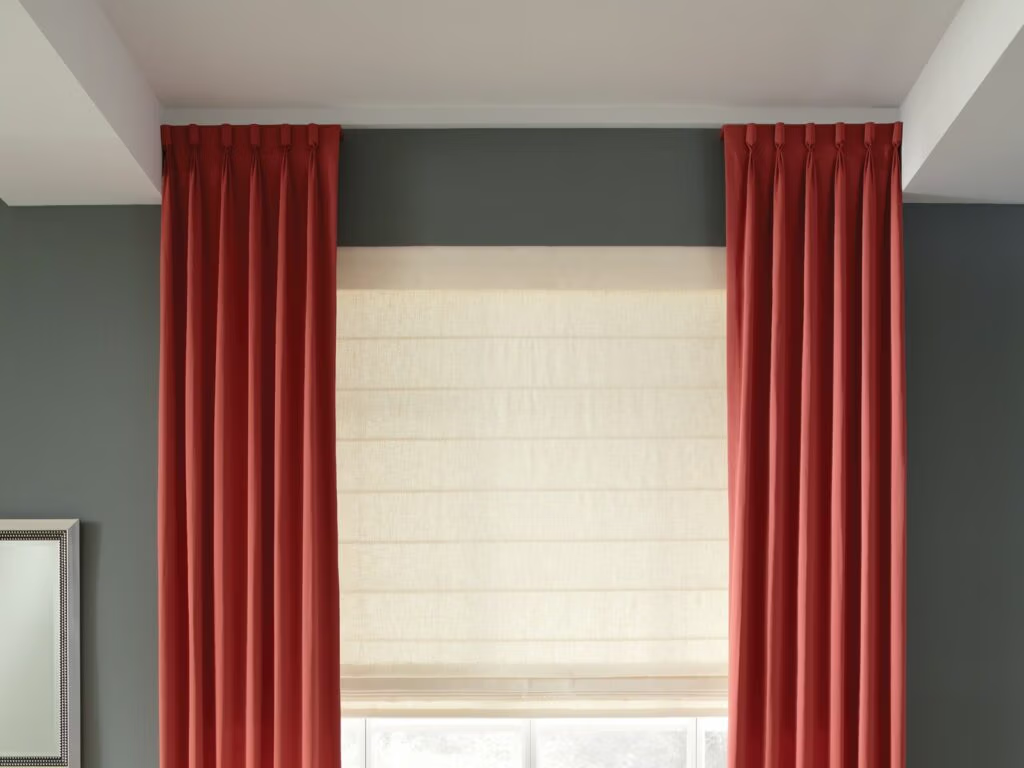
Mount the rod high and wide: Drapery should be hung as close to the ceiling as the architecture allows, and the rod should extend six to twelve inches past the window frame on each side. This makes the window appear taller and wider, and lets the drapery stack off the glass when open, so it never blocks the view or the light.
The panels should kiss the floor: A half-inch break above the floor, or a slight puddle for a softer look. Anything shorter — drapery that floats two inches above the hardwood — instantly reads as a mistake.
Use enough fabric: Drapery panels should be at least two to two-and-a-half times the width of the window opening when measured flat. Skinny panels that barely cover the rod when closed are one of the most common signs of a window treatment cutting corners.
The single biggest unlock in living room drapery is height. A rod mounted three inches below the ceiling instead of three inches above the window frame can add what feels like a full foot of perceived ceiling height to the room.
For living rooms, we most often recommend pinch pleat or ripple fold drapery in a linen, linen blend, or velvet, depending on the room’s tone. Pinch pleats read more traditional and tailored; ripple fold reads more modern and continuous. Both look correct in almost any style of home when the fabric is right.
Drapery alone is rarely the full answer in a living room, though. It is the layer that finishes the room. The layer underneath does the actual work of controlling light and privacy.
Roller and Solar Shades: The Functional Layer
Underneath your drapery or on its own, a roller or solar shade is doing the practical work.
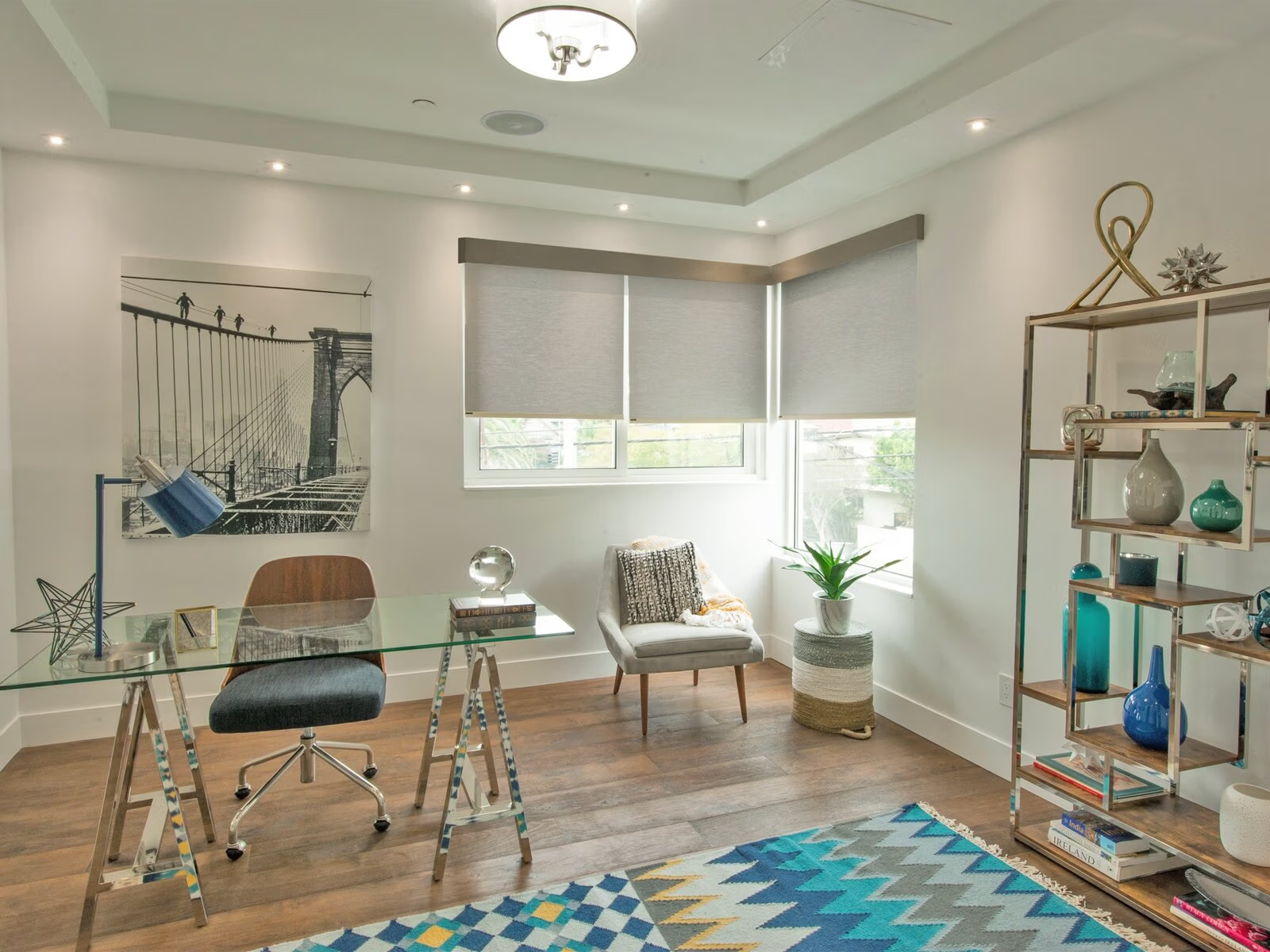
Solar shades are woven from a screen-like fabric that filters UV and reduces glare while preserving the view through the window. They are measured by the openness factor, which describes how much light passes through. A 5% openness shade gives strong glare control and significant privacy from the outside during daylight; a 10% openness keeps the view clearer but provides less screening. For a living room with a television, art that fades, or simply a hard western exposure, solar shades are non-negotiable.
Roller shades in a light-filtering or room-darkening fabric give you the same clean look with more privacy and softer light. They work especially well in rooms where the drapery is doing the decorative work and the shade just needs to recede when raised.
The case for layering drapery over a roller or solar shade is simple: the shade handles the daytime work of glare and privacy, and the drapery handles the evening softness and the look of the room. Each layer is doing one job well, instead of one treatment trying to do all of them at once.
For living rooms with tall, wide, or hard-to-reach windows, picture windows, sliders, and second-story glass, motorization is worth every dollar. A motorized solar shade that lowers automatically at 3 p.m. on a south-facing window is the difference between a comfortable living room and one nobody actually wants to sit in during the afternoon.
Roman Shades: When Fabric Is the Point
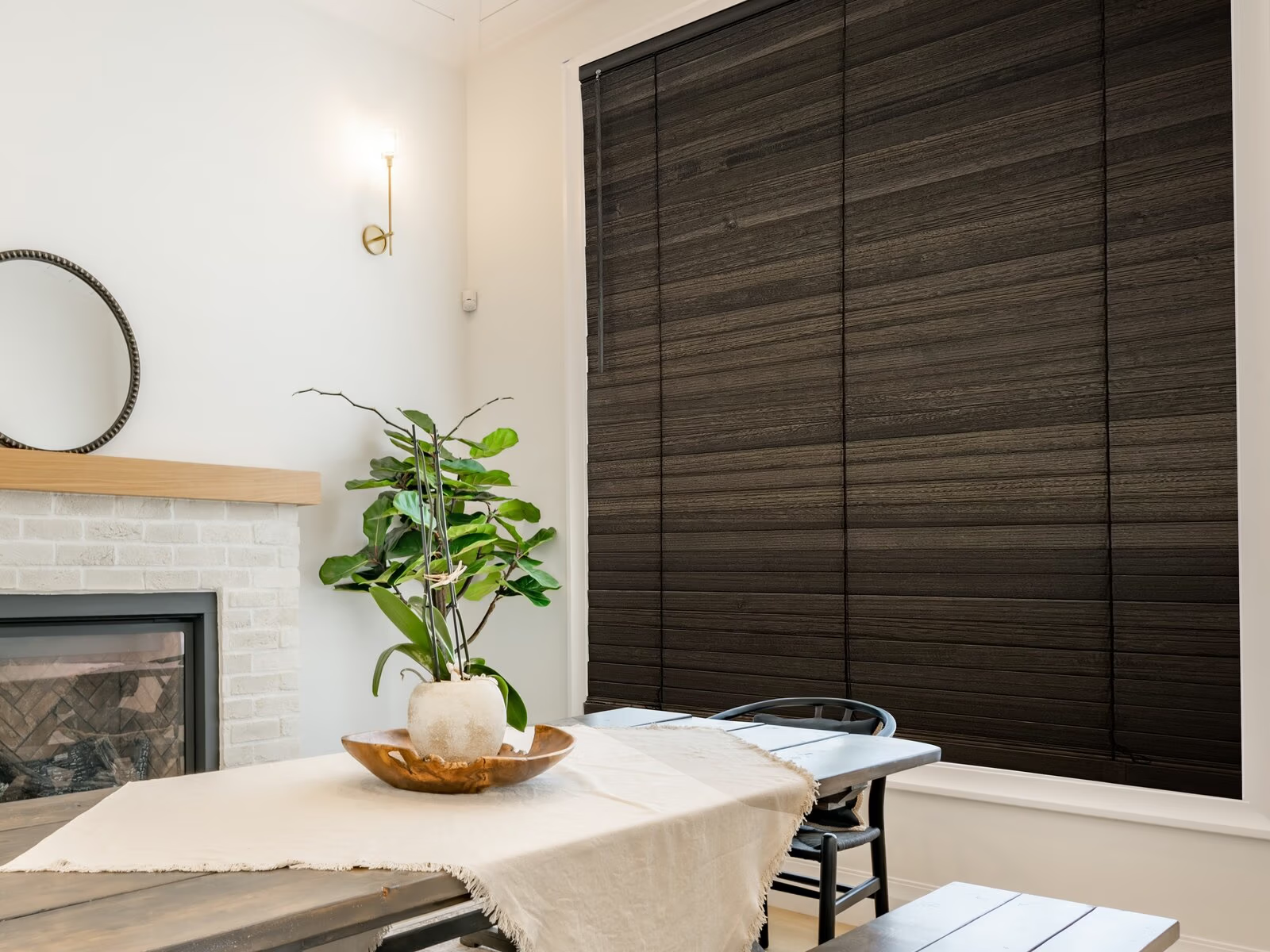
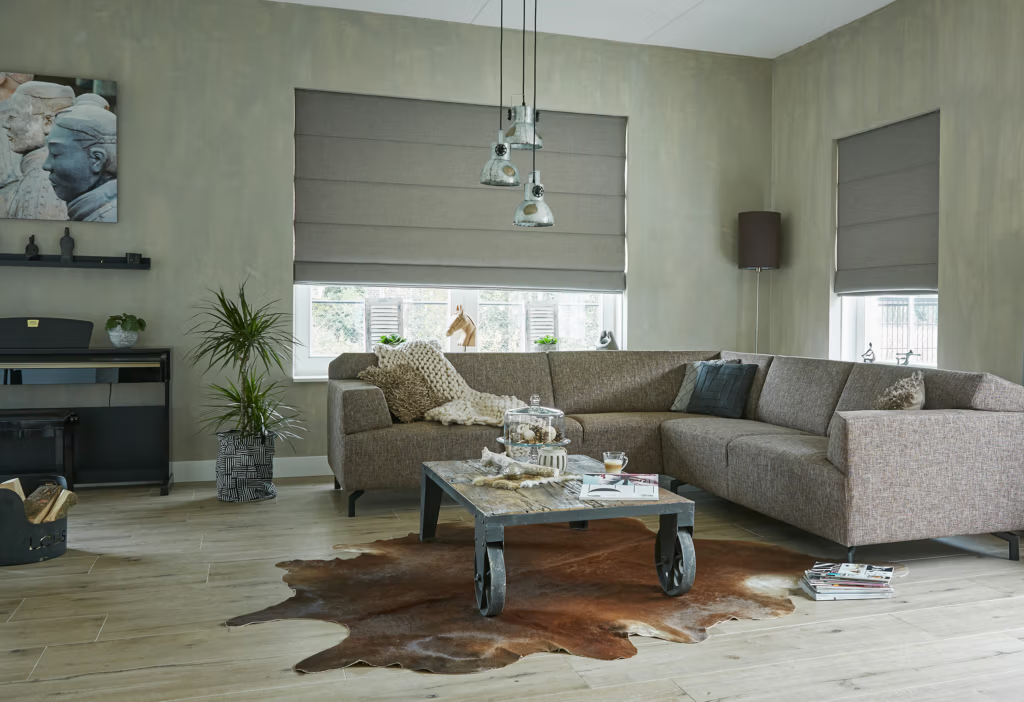
Roman shades belong in living rooms where you want the look of fabric without the visual weight of full-length drapery. They fold up into soft horizontal pleats when raised and lie flat or gently relaxed when lowered.
They suit smaller living rooms, formal sitting rooms, or windows that flank a primary window already framed in drapery. A relaxed roman in a textured linen on a side window, with full-length drapery on the main window, can pull a room together beautifully without overwhelming it.
What romans do not love is scale. On a very wide window, anything beyond about sixty inches, a single roman can read heavy when raised, and the stack of fabric at the top eats into the glass. For wide spans, drapery, rollers, or shutters are usually better choices.
Shutters: The Architectural Choice
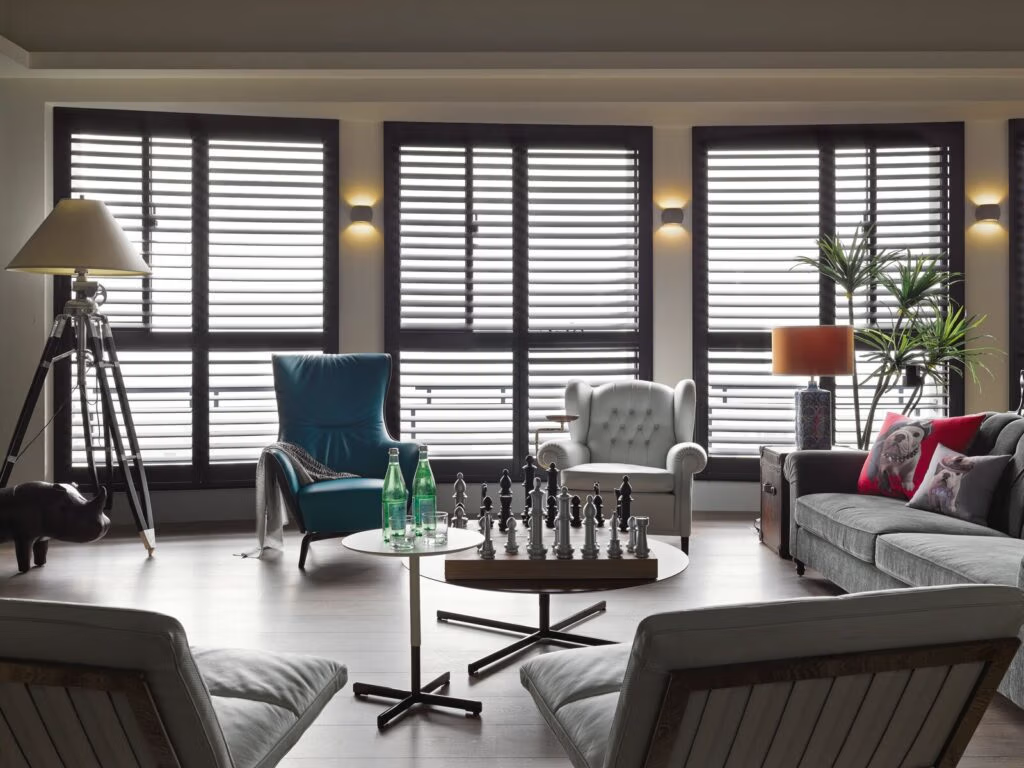
Interior shutters are the only window treatment that becomes part of the architecture of the home. They are mounted permanently to the window frame, they last for decades, and they tend to increase the perceived quality and resale value of the room.
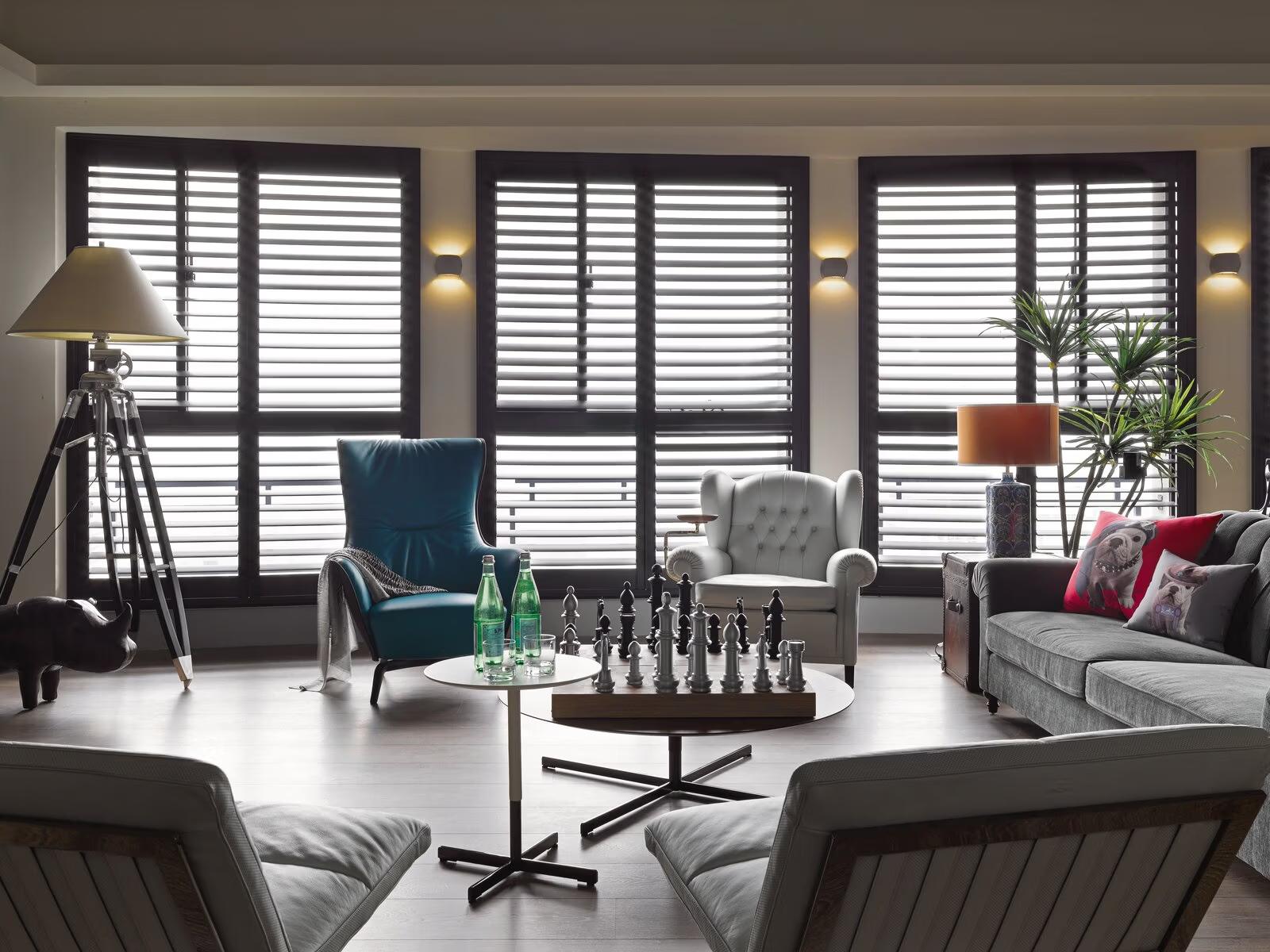
For living rooms, shutters work best in two cases: traditional homes where painted plantation shutters reinforce the architectural style, and street-level rooms where privacy and security matter more than soft layering. They are also an excellent answer for unusual window shapes, bays, arches, and transoms.
The trade-off: shutters are visually heavier than fabric treatments, and they do not soften a room the way drapery does. In contemporary living rooms or rooms with a lot of hard surfaces, tone, glass, and polished wood, shutters can read cold without something fabric layered alongside them.
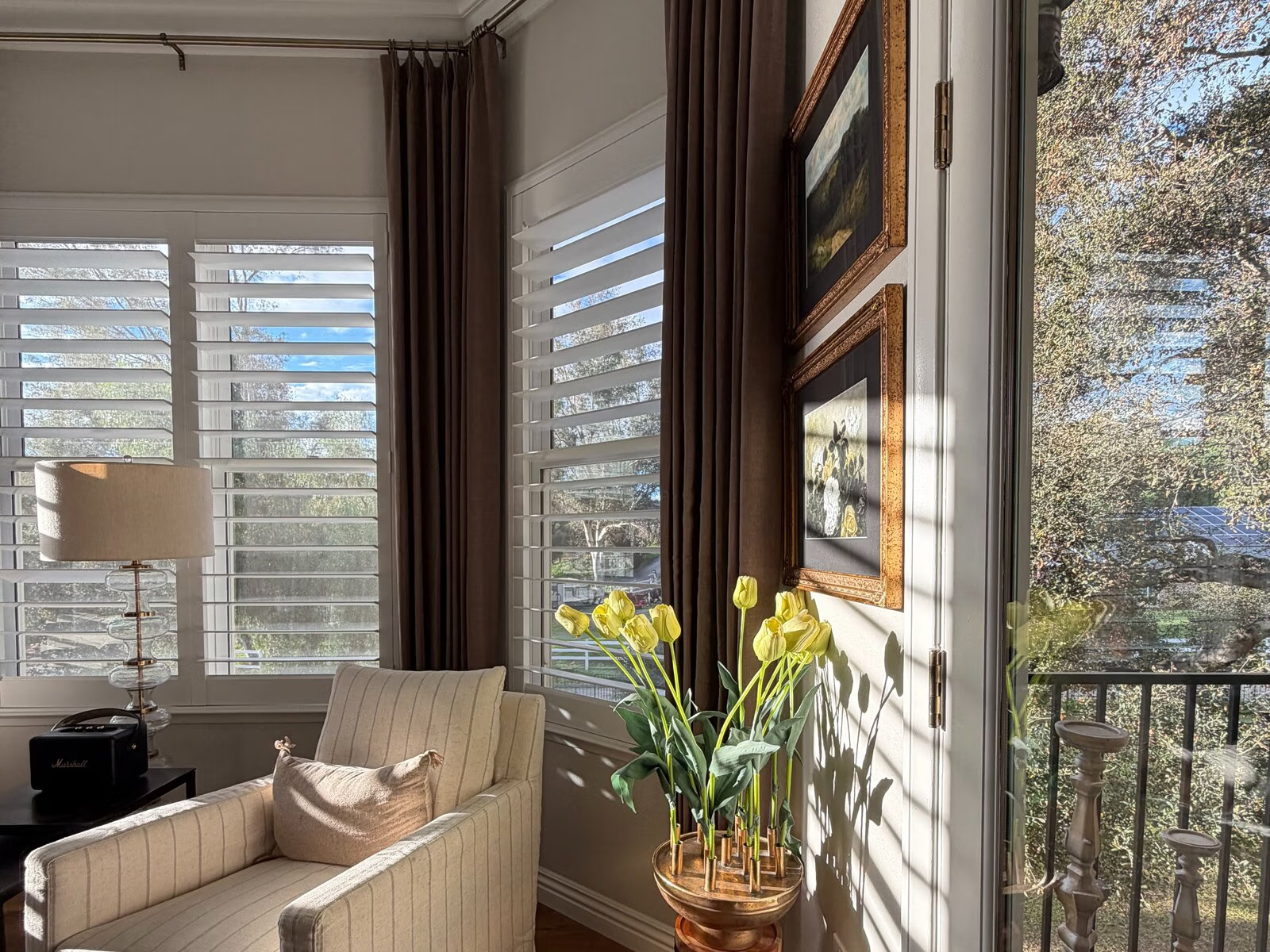
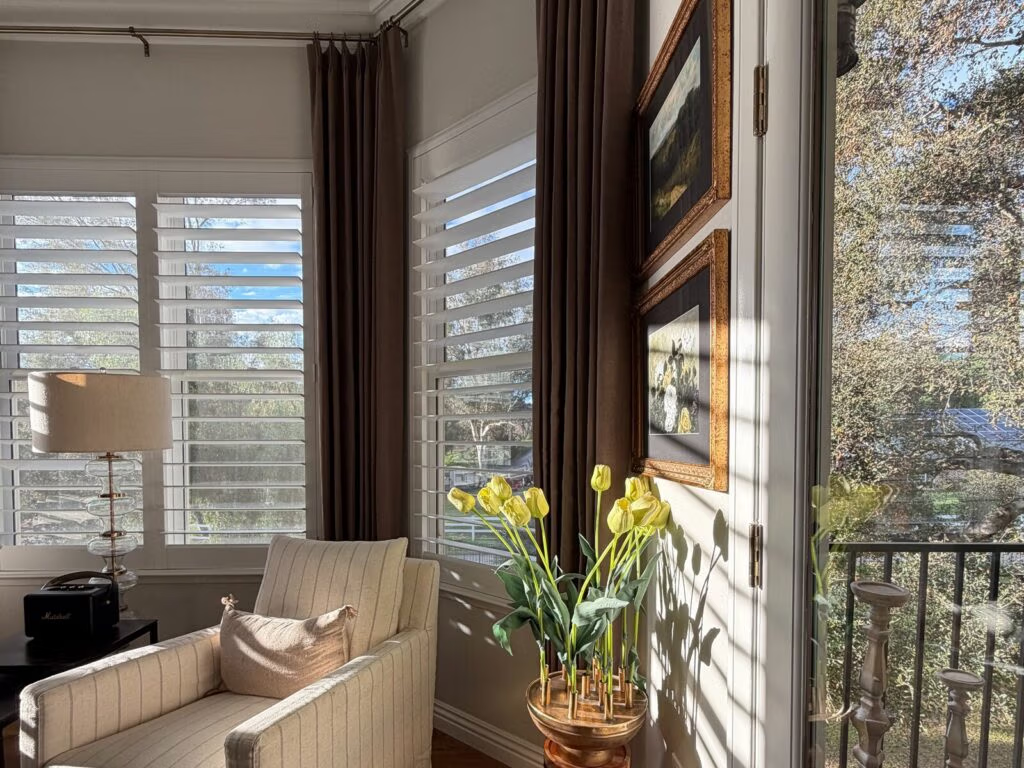
If you choose shutters for a living room, consider adding drapery panels on either side. The shutters handle the function; the drapery handles the warmth.
Layering: The Move That Separates a Designed Room from a Furnished One
A living room with one treatment per window almost always looks unfinished. A living room with two, a functional layer and a decorative layer, is almost always considered.
A few combinations we use constantly:
Floor-to-ceiling drapery over a solar shade. The most reliable living room formula in the tri-state. Solar shade handles glare and daytime privacy; drapery frames the window and finishes the room. Works in nearly every style.
Drapery over a light-filtering roller. When the room needs more daytime softness than a solar shade provides — a north-facing living room, or a room with delicate furnishings — a light-filtering roller diffuses the light beautifully behind the drapery.
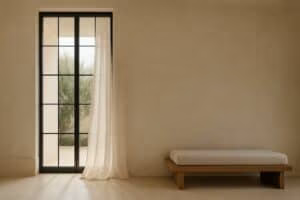
Sheer drapery layered with heavier drapery on a double rod. The most traditional layering option, and still one of the most beautiful. The sheers diffuse the light during the day; the heavier panels close at night for privacy and warmth.
Shutters with drapery panels at the sides. For traditional homes or street-level rooms. The shutters do the architectural work; the drapery softens the edges.
The point of layering is not more fabric. It is more control over light, privacy, temperature, and mood — without asking any single treatment to do every job at once.
Color, Texture, and the Quiet Room
The temptation in a living room is to choose a fabric that makes a statement. Almost always, a mistake.
The drapery and shades in a living room should support the room, not compete with it. The art, the upholstery, the rug, these are the elements that should carry color and pattern. The window treatments should sit just behind them, in a tone that lets the rest of the room come forward.
For most living rooms, we recommend warm neutrals, soft cream, oat, mushroom, taupe, warm grey, or a tone pulled from the room’s largest pieces of upholstery. A drapery that picks up the undertone of the sofa, or the lightest color in the rug, will quietly tie the room together in a way no statement fabric ever could.
Texture matters as much as color. A flat, glossy fabric will always feel less considered than a slubby linen, a textured weave, or a heavy cotton. The living room is the room where texture pays the biggest dividend, both visually and acoustically. Heavy textiles soften the sound of a room with hard floors and large windows in a way nothing else does.

A Word on Wide Windows, Sliders, and Tall Spans
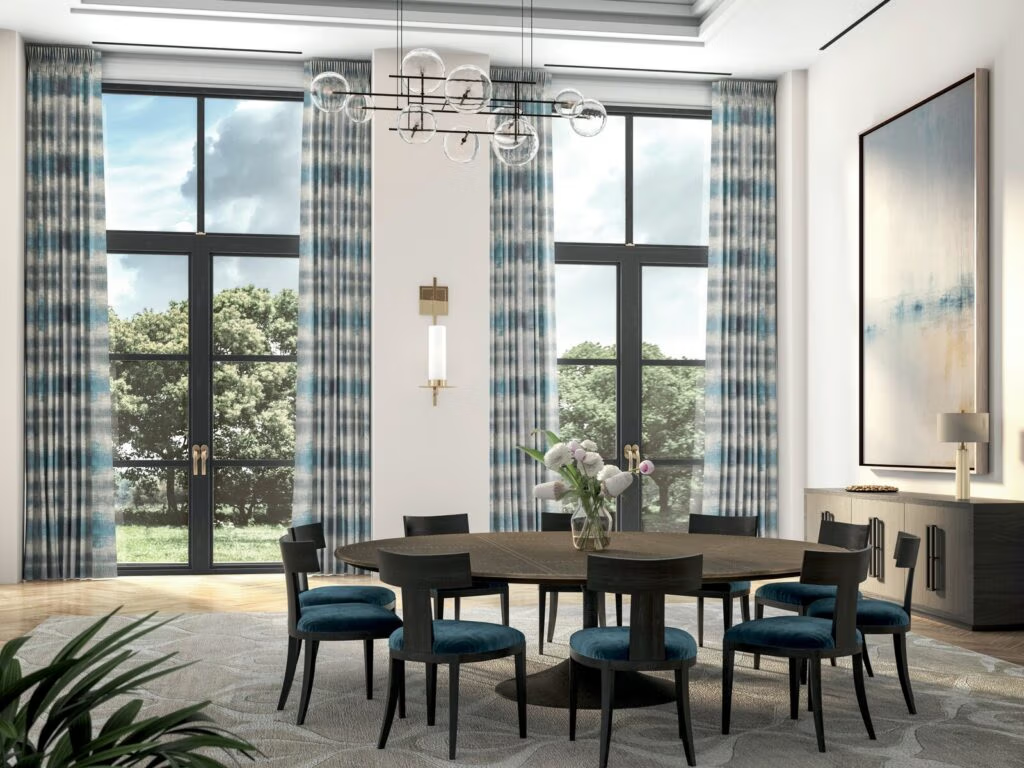
A great deal of tri-state living room glass is large. Picture windows in Westchester ranches, sliders to terraces in Manhattan and Jersey City, double-height great room walls in newer New Jersey builds. Standard treatments often fail at this scale.
A few principles for oversized windows:
Drapery should be functional, not just decorative. Track systems, not rods, are usually the right answer for very wide or very tall spans. They let the drapery move smoothly across the full width without sagging.
Sliders need treatments that stack out of the way. Vertical sheers, ripple fold drapery on a track, or motorized solar shades are the cleanest answers. Avoid treatments that block the doorway when open.
Motorization changes the equation. Anything tall, wide, or out of reach should be motorized. The cost is more than recovered in how often the treatment actually gets used.
How to Decide
If we had to compress everything above into a short decision tree, it would look like this:
Formal living room or great room with significant architecture: floor-to-ceiling pinch pleat drapery over a solar shade, mounted high and wide.
Modern, minimal living room: ripple fold drapery on a track over a solar or light-filtering roller, in a single neutral tone.
Traditional home with classic architecture: plantation shutters, with drapery panels at the sides for warmth.
Smaller sitting room or flanking windows: roman shades in a textured neutral, on their own or with drapery on the primary window.
Glare problem, west exposure, or a television in the room: solar shades are non-negotiable. Layer drapery over them for the evening.
And in nearly every living room, layer. A functional shade for the daytime, fabric for the evening. The combination is what separates a living room that looks decorated from one that looks designed.
The Room Where Detail Matters Most
The living room is the room where small decisions become visible. A rod mounted two inches too low, a panel that doesn’t quite reach the floor, a fabric that fights the rug instead of supporting it — these are the things that quietly drag the entire room down, no matter how good the furniture is.
Custom window treatments exist for exactly this reason. The window is not standard, the room is not standard, and the way you live in it is not standard. The treatment shouldn’t be either.
If you are planning new treatments for a living room and want help thinking through the right combination for your space, that is what we are here for. Every Ventus consultation starts in the room, with the light you actually live in, and ends with treatments measured, made, and installed to look correct from the very first day.